INDEX |
|
|
|
|
|
|
|
|
|
|
|
| |
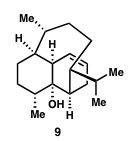
Figure 1.0: Olefin |
|
|
|
|
|
|
|
|
|
|
| |
Return to Experimental |
|
|
|
|
|
|
|
|
|
|
| |
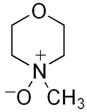
Figure 1.1 N-Methylmorpholine-N-Oxide (NMO) |
|
|
|
|
|
|
|
|
|
|
| |
Return to Experimental |
NMO is an organic compound used as a co-oxidant and as a non-regenerating catalyst for producing the actual catalyst used in oxidation reactions |
|
|
|
|
|
|
|
|
|
| |
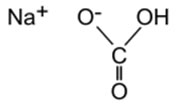
Figure 1.2: Sodium Bicarbonate (NaHCO3) |
|
|
|
|
|
|
|
|
|
|
| |
Return to Experimental |
|
|
|
|
|
|
|
|
|
|
| |
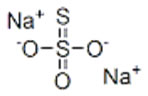
Figure 1.3: Sodium Thiosulfate (Na2S2O3) |
|
|
|
|
|
|
|
|
|
|
| |
Return to Experimental |
|
|
|
|
|
|
|
|
|
|
| |
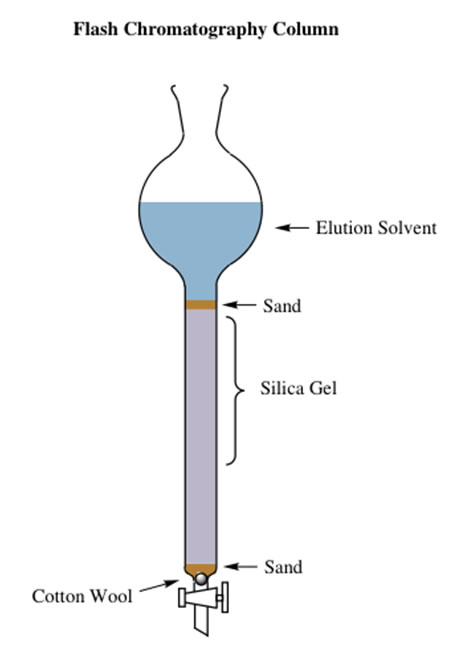
Figure 1.4: Flash Chromatography Column |
|
|
|
|
|
|
|
|
|
|
| |
Return to Experimental |
Flash chromatography is very similar to gravitational chromatography. Both are used to separate/purify organic compounds. They differ in two critical ways. Flash chromatography uses slightly smaller silica gel particles and pressurized gas is used to drive the solvent through the column. These two alterations greatly speed up the process of column chromatography. |
|
|
|
|
|
|
|
|
|
| |
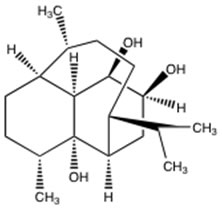
Figure 1.5: Triol Intermediate |
|
|
|
|
|
|
|
|
|
|
| |
Return to Experimental |
|
|
|
|
|
|
|
|
|
|
| |
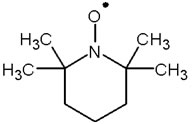
Figure 1.6: 2,2,6,6-Tetramethylpiperidine-1-oxyl (TEMPO) |
|
|
|
|
|
|
|
|
|
|
| |
Return to Experimental |
TEMPO is a stable radical that can be used in organic synthesis as a catalyst for the oxidation of primary alcohols |
|
|
|
|
|
|
|
|
|
| |
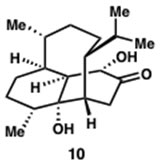
Figure 1.7: Reaction Product- Ketone |
|
|
|
|
|
|
|
|
|
|
| |
Return to Experimental |
|
|
|
|
|
|
|
|
|
|
| |
|
|
|
|
|
|
|
|
|
|
|
| |
|
|
|
|
|
|
|
|
|
|
|
| |
|
|
|
|
|
|
|
|
|
|
|